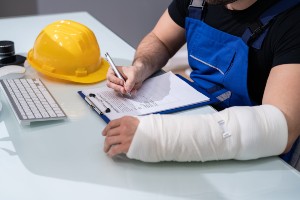
If you are injured at work, the steps you take immediately afterward can affect both your health and your New Jersey workers’ compensation claim. Report the injury promptly, seek medical attention, document what happened, and follow treatment instructions. Acting quickly can help protect your right to benefits and reduce disputes later.
A workplace injury can leave you shaken, in pain, and unsure of what to do next. Many workers try to “tough it out” or wait to see if symptoms improve. That decision can create unnecessary medical risks and legal complications. Knowing what to do in the first hours and days after an accident is important.
Get Medical Attention Right Away
Your health comes first. If the injury is serious or requires emergency care, seek immediate treatment.
Even if the injury seems minor, symptoms can worsen over time. Back injuries, head injuries, repetitive stress conditions, and soft tissue damage do not always show their full impact right away.
Prompt treatment also creates a medical record connecting the injury to the workplace incident, which can be important in a workers’ compensation case.
Report the Injury to Your Employer
In New Jersey, workplace injuries should be reported to your employer as soon as possible. Waiting too long may create questions about when the injury happened or whether it was work-related.
Provide clear basic facts, including:
- When the injury occurred
- Where it happened
- How it happened
- What body parts were affected
Keep the report factual and direct. If possible, make the report in writing or follow up in writing so there is a record.
Follow Employer Procedures
Many employers have internal accident reporting procedures. They may direct you to an approved medical provider for treatment under workers’ compensation.
Follow reasonable reporting instructions, but do not ignore your need for medical care. If you are in urgent condition, treatment should come first.
Document the Scene and Your Symptoms
If you are able to do so safely, gather information while the details are fresh.
Helpful documentation may include:
- Photos of the area or hazard
- Names of witnesses
- Equipment involved
- Visible injuries
- Notes about pain or symptoms as they develop
Small details can become important later if the claim is disputed.
Be Careful With Return-to-Work Issues
Some workers feel pressure to return before they are ready. Others assume they must stay home longer than medically necessary. The best approach is to follow legitimate medical restrictions and communicate clearly.
If light duty is offered, the terms should be reviewed carefully to ensure they match medical limitations.
Avoid Common Mistakes
After an injury, workers sometimes hurt their claims by:
- Failing to report the accident promptly
- Missing medical appointments
- Ignoring treatment advice
- Giving inconsistent descriptions of the injury
- Assuming the claim will “work itself out.”
Early missteps can create problems that are difficult to fix later.
Protecting Your Rights After an Injury
A workplace injury can create stress about income, treatment, and job security. Taking immediate, practical steps helps protect both your recovery and your claim.
If you were hurt on the job and have questions about benefits, medical treatment, or delays in your case, contact the team at Workplace Lawyers for guidance on your New Jersey workers’ compensation options. If